When is the best time to build a fence?
Fall is a good window in the Upstate: the summer heat breaks and crews are past the spring rush. But a fence can go in any season if you plan around rain and lead times.
Each season has its own trade-offs. Spring brings the longest waits, summer brings heat and storms, fall tends to be the easiest balance, and winter can open up the schedule. What matters more than the month is how wet the ground is on the days the posts go in, and whether the paperwork is done before the crew arrives.
Why is spring so busy?
Warm weather brings out yard projects, so spring schedules fill and lead times stretch. If you want a fence by early summer, start in late winter.
Regional fence crews commonly quote about two to four weeks of lead time, and in spring the far end of that range is more likely. Spring rain adds to it, since a wet week can push every job on the list back a few days. If the date matters, for a new dog, a pool opening or an event in the yard, get your measurements and your ballpark in early.
Is summer a bad time?
No, but it is hot, and storms can stop work. Expect early starts and the odd day lost to weather.
Heat is hard on the crew more than on the fence. Afternoon storms are the bigger problem, because a downpour can turn a dry job site soft. If a pool is going in over the summer, its fence has to be finished before the pool is filled.
Why is fall a good window?
The spring rush is over, the heat breaks, and the ground is often firm between rains. A fence built in fall is ready for the next spring.
Book early in the season if you can, before the fall schedule fills. Fall is also a good time to plan: walk the line once the summer growth dies back and you can see the pins, the slope and the trees more clearly.
What about winter?
Winter can be a good time to get on the schedule. Openings are more common, and posts can go in on any day the ground isn’t soaked.
Short days mean less work gets done each day, and a cold rain can hold up a job. But a fence built in winter is ready for spring, when you want the yard back. It is also a good season to get HOA approval and a survey out of the way.
How does rain affect the job?
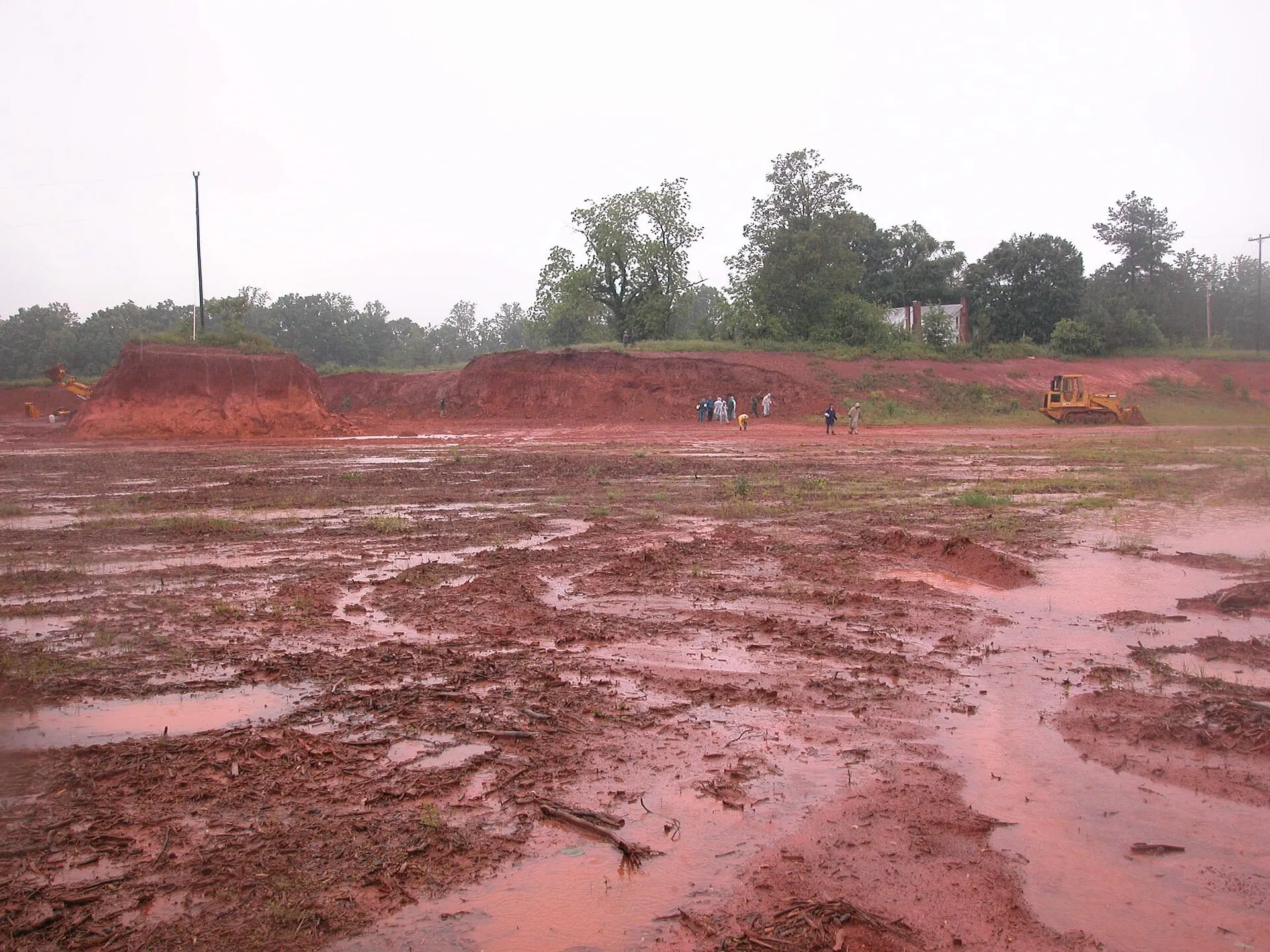
Heavy rain turns our red clay soft and sticky, and open post holes can fill with water. Crews wait for the ground to firm up before setting posts.
Much of the Upstate sits on Cecil soils, which NRCS describes as very deep and well drained, with a red clay subsoil. Wet clay is hard to dig cleanly and slow to firm back up. Walhalla averages about 61 inches of rain a year, by SC DNR’s 1991–2020 normals, so a few rain days are part of any season. We set posts for wood, vinyl and aluminum in concrete, and a clean, firm hole matters for that.
What lead times should you plan for?
Regional crews commonly quote about two to four weeks from booking to the start of work. Add time for 811, an HOA, a permit or a survey if you need one.
- SC811. The locate needs at least three full working days of notice, not counting the day of the call, and up to twelve. We file the locate before we dig.
- HOA approval. Committees meet on their own schedules. Ask how long yours takes, and send the request as soon as you know the style and the line.
- Permits. Where one is needed, ask the office how long it takes. Fence permits and rules, town by town lists who to call.
- Survey. If you can’t find your pins, a surveyor needs time too.
Once work starts, most yards take one to three days on site.
What should you plant, and when?
Plant after the fence is in, and leave room behind the plants to reach the fence. Beds put in first sit right where the crew needs to dig and walk.
Keep shrubs and vines a little off a wood fence so the boards dry after rain; wood that stays damp rots sooner. How long a wood fence lasts here explains why the base of a post matters most. Mulch and soil should stay off the bottom boards for the same reason.
How do you get on the schedule?
Measure the line, get a ballpark from the fence estimator, and book. Starting a month or more ahead of when you want the fence leaves room for lead time and paperwork.
If you are unsure of the length, how to measure your yard for a fence walks through it. Before the layout is final, we check the town, county, HOA and lake rules for your lot.