How long does a wood fence last?
In the Upstate, a pressure-treated pine fence lasts about 10 to 20 years, and cedar about 15 to 30. The posts usually give out first, rotting where they meet the ground.
Those figures come from cost guides that account for hot, humid climates like ours. Where a fence lands in that range depends on the posts, the soil around them, how much sun and water the boards take, and how often they are stained or sealed. A fence built well in the right spot can reach the top of the range. One with untreated or above-ground posts in wet clay may not see the bottom of it.
Why do the posts fail first?
The base of a post stays damp longer than any other part of the fence. That is where rot starts and where termites find it, and once a post goes, the sections on either side lean with it.
Boards and rails dry out between rains. The part of the post just below and just above the soil doesn’t, because the ground holds water against it. Walhalla averages about 61 inches of rain a year, by SC DNR’s 1991–2020 normals, so that wood is rarely dry for long. Mulch, soil or leaves piled against the bottom of a fence keep it wet longer still.
What kind of post lasts longest?
A pressure-treated post rated for ground contact, set in concrete with a crown on top that sheds water. Lumber treated only for above-ground use is not made to sit in soil.
Ground-contact lumber carries more preservative for wood that will touch or sit in soil. Use it for every post, even where the boards are rated for above ground. We set wood posts in concrete, and the top of the concrete should be shaped into a crown, higher at the post and sloping away, so rain runs off instead of pooling against the wood.
Our soil matters too. Much of the Upstate sits on Cecil soils, which NRCS describes as very deep and well drained, with a red clay subsoil. A post hole dug into that clay can hold water around the base of the post, so drainage at the bottom of the hole and a good crown at the top both help.
How much do termites matter here?
A lot. HUD’s termite map puts all of South Carolina in Zone 1, “very heavy,” the highest level. Treated posts resist them, and untreated wood in the ground does not last.
Termites work from the soil up, so the base of a post is where they start. Keep wood off the ground where you can: leave a small gap between the bottom of the boards and the soil, and keep firewood, mulch and scrap lumber away from the fence line.
Does staining or sealing help?
Yes, for the boards. A stain or water-repellent sealer slows the soaking and drying that cracks, cups and grays the wood, but it won’t save a post that is rotting below ground.
Sun and rain both work on a fence here. Recoat when water stops beading on the boards and starts soaking in. Clean off mildew and dirt first so the new coat sticks. Coat both faces and the top edges where you can, since the top of a board takes the most water.
Should I repair or replace?
Repair when the trouble is a few boards, a gate or one or two posts. Replace when posts are failing along the line or the fence is near the end of its 10 to 20 years.
Signs a repair will do:
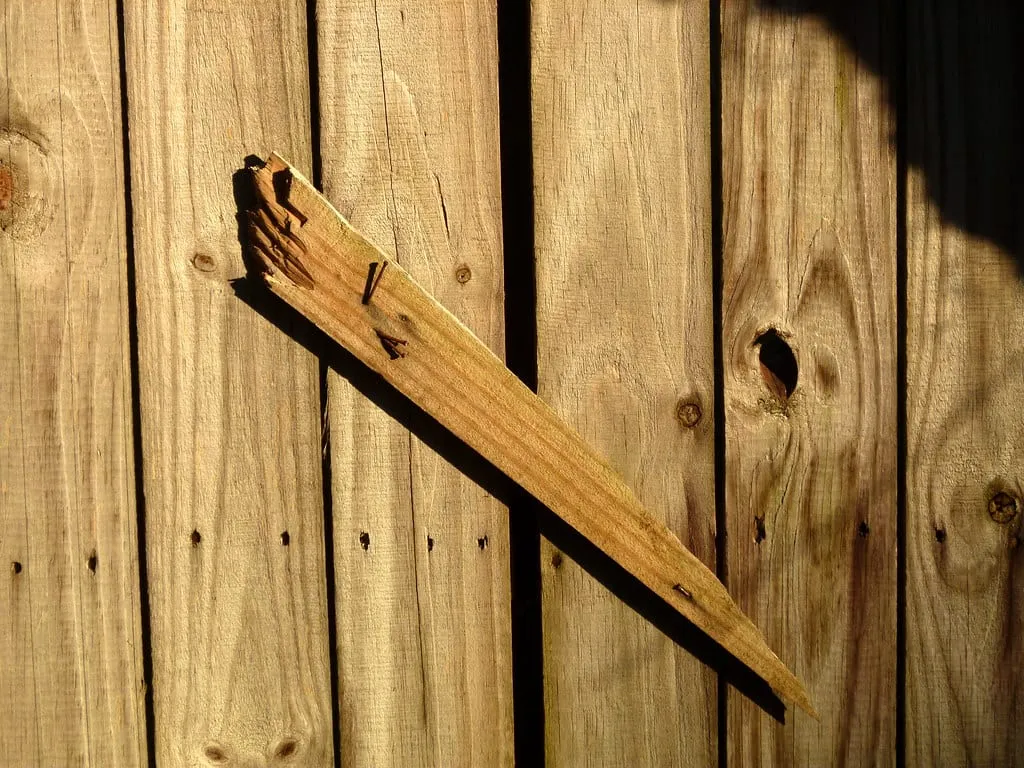
- a few loose, split or missing boards, like the one in the photo above
- a sagging gate
- one or two leaning posts with sound wood elsewhere
Signs it is time to replace:
- posts soft at the base along much of the line
- several sections leaning
- rot in the rails, not just the boards
- a fence well into its second decade
Our fence repair service handles posts, boards and gates. If it is time for a new fence, what a fence costs in Seneca prices a new one, and taking the old one down and hauling it away runs $3–5 a foot. A new 6 ft wood privacy fence runs $22–34 a foot.
Would another material last longer?
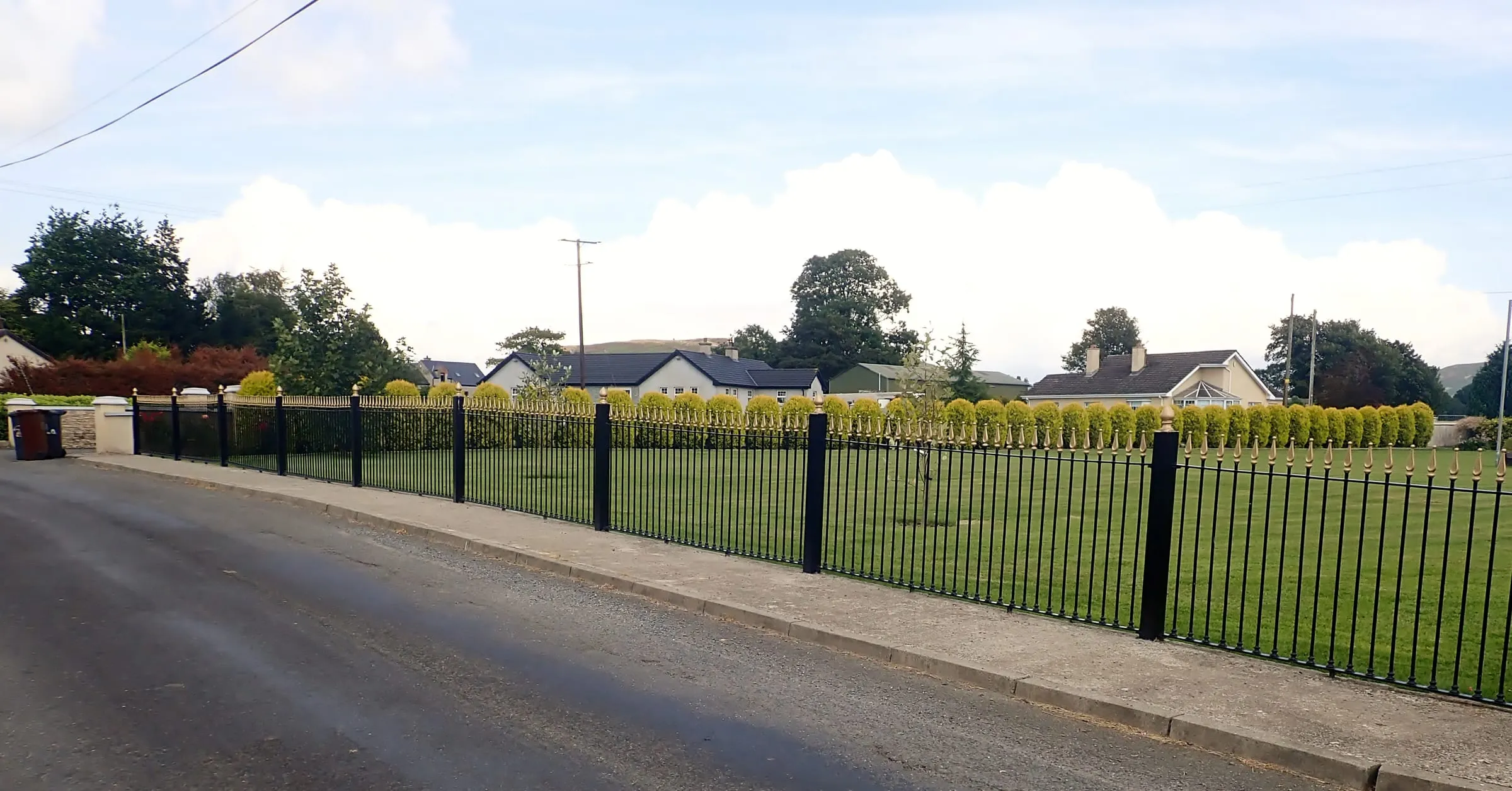
Yes. Cost guides put vinyl at 20 to 30 years or more in this climate and aluminum at 20 to 50, and neither rots or feeds termites. Galvanized chain link lasts 20 years or more.
Vinyl and aluminum cost more than pine to build and chain link costs less, and only wood and vinyl give full privacy. Wood, vinyl or aluminum compares them on price, life, upkeep and looks.