What is a wood privacy fence?
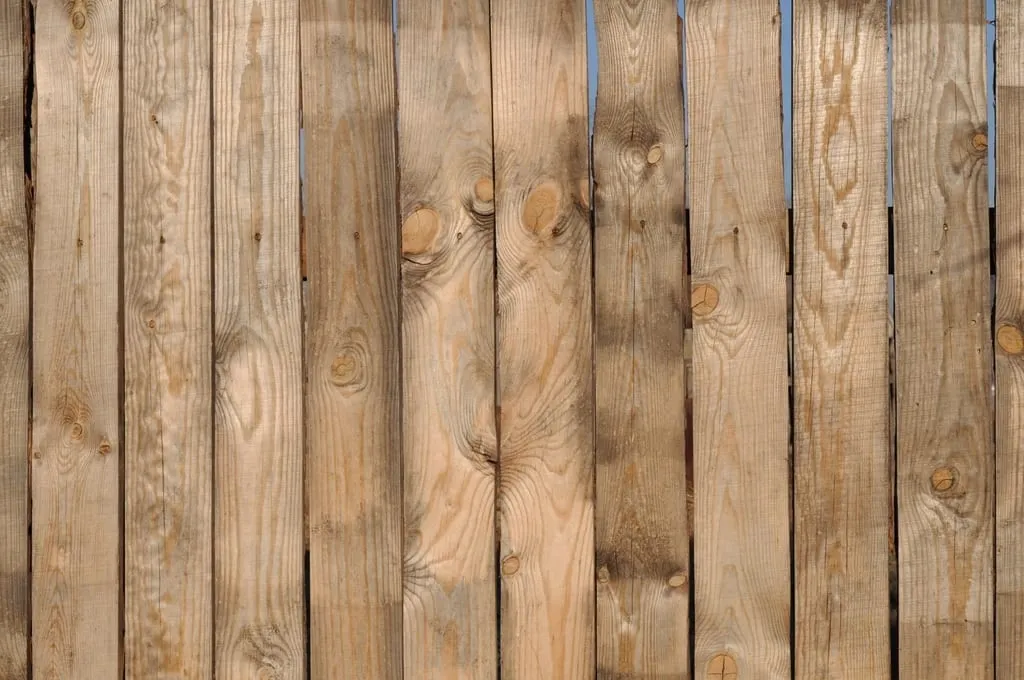
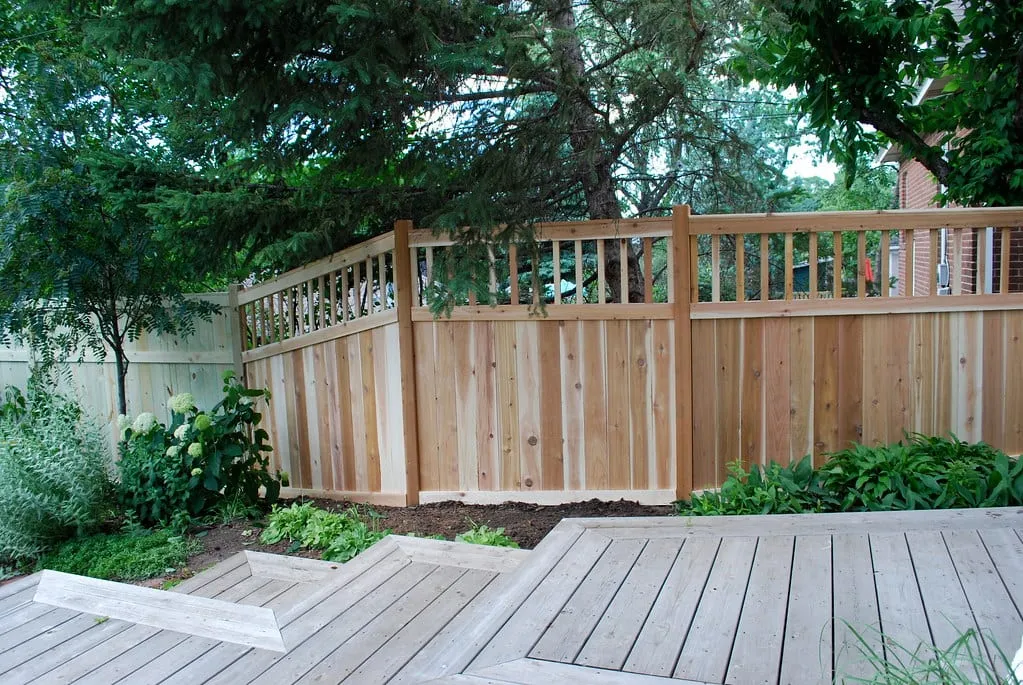
It’s a solid 6 ft wall of pressure-treated pine pickets nailed to rails between posts. It hides the yard from the street and the neighbors, and it keeps dogs in.
Ours is 6 ft tall with three rails and dog-ear pickets, the kind with the top corners clipped off at an angle. Pressure-treated pine is the default because it costs the least of any solid fence we build.
Cedar is the step up. It costs more per foot, and cost guides put its life in a hot, humid climate at 15 to 30 years, against 10 to 20 for pine.
Board-on-board is the other upgrade. A second layer of pickets overlaps the gaps, so the fence stays solid as the boards dry and shrink. Ask and we’ll price it next to the standard fence.
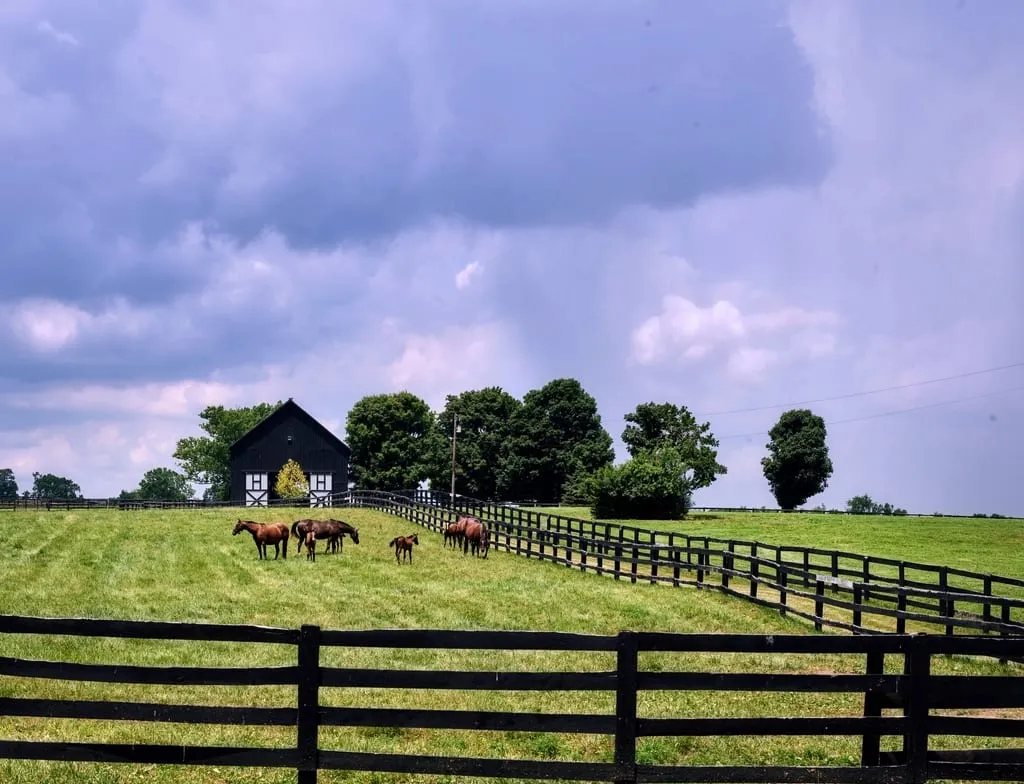
For front yards and gardens, the same lumber makes a 4 ft picket fence at $16–26 a foot installed.
How do we build it?
Posts go in concrete every 8 ft. Rails and pickets go on with the finished side facing out, and on a slope the sections step down so each one stays level.
Before the first hole, we file the SC811 locate. State law counts augering a post hole as excavation, so the buried lines get marked first.
Posts. Every post is pressure-treated pine rated for ground contact, set in concrete. That rating matters here. South Carolina sits in HUD termite zone 1, rated very heavy, and a pine fence usually rots at the base of its posts before anything else goes.
Digging. Much of the Upstate sits on Cecil series soil: very deep, well drained, with a red clay subsoil. The auger goes through it slowly, and rock or tree roots on the line add time.
Slopes. Wood sections step. Each one sits level and drops down from the one above it, so the top of the fence reads as a staircase. On steeper ground that leaves a triangle of open space under the low end of each step.
Finished side out. The smooth face of the pickets faces your neighbor and the street, and the posts and rails face your yard. The City of Clemson requires it in its fence code, along with other limits covered on the Clemson fence page. We build it that way everywhere.
Gates. A wood walk gate runs $300–550 installed, and a double drive gate $650–1,100. Measure your mower and anything else that has to fit through before you settle on a width.
What does a wood privacy fence cost?
Six-foot pine privacy runs $22–34 a foot installed, and 4 ft picket runs $16–26 a foot. Gates, slopes, rock and taking out an old fence move the total.
| Example job | Ballpark |
|---|---|
| 150 ft of 6 ft privacy, one walk gate | $3,600–$5,650 |
| 200 ft of 6 ft privacy, one walk gate, one drive gate | $5,350–$8,450 |
| 250 ft of 6 ft privacy, two walk gates | $6,100–$9,600 |
| 80 ft of 4 ft picket, one walk gate | $1,600–$2,650 |
Taking down and hauling off an old fence adds $3–5 a foot. Jobs start at $1,200. The Seneca fence cost guide covers the rest, from extra corners to hand-carrying materials into a back yard the truck can’t reach.
Should you stain or seal it?
Yes, once the new wood has dried out. A stain or water sealer slows the graying and cracking that sun and rain cause, and the Upstate gets plenty of both.
Walhalla’s normal rainfall is about 61 inches a year. Pressure-treated pine lasts about 10 to 20 years in a hot, humid climate, and keeping the boards sealed helps them toward the long end of that. Sealer does little for the posts, though, which is why the ground-contact rating matters more. The wood fence lifespan guide covers what wears out first and what to watch for.
When is wood the right fence?
Pick wood privacy for a back yard you want screened at the lowest price for a solid fence. Look elsewhere for a front yard under strict rules, or if you don’t want to stain.
- Seneca’s historic district. The design guidelines keep privacy fences to side and rear yards, hold picket fences to 24 to 48 inches, and rule out stockade styles. The fence permits guide covers who to ask before you build.
- Corner lots. Seneca and Oconee County both keep a clear sight triangle where streets meet, so a 6 ft fence may have to stop short of the corner.
- No upkeep. Vinyl costs more up front and needs only a wash. The wood vs vinyl vs aluminum guide compares them side by side.
Either way, we check the town, county, HOA and lake rules before the layout is final, and we walk the finished line with you.